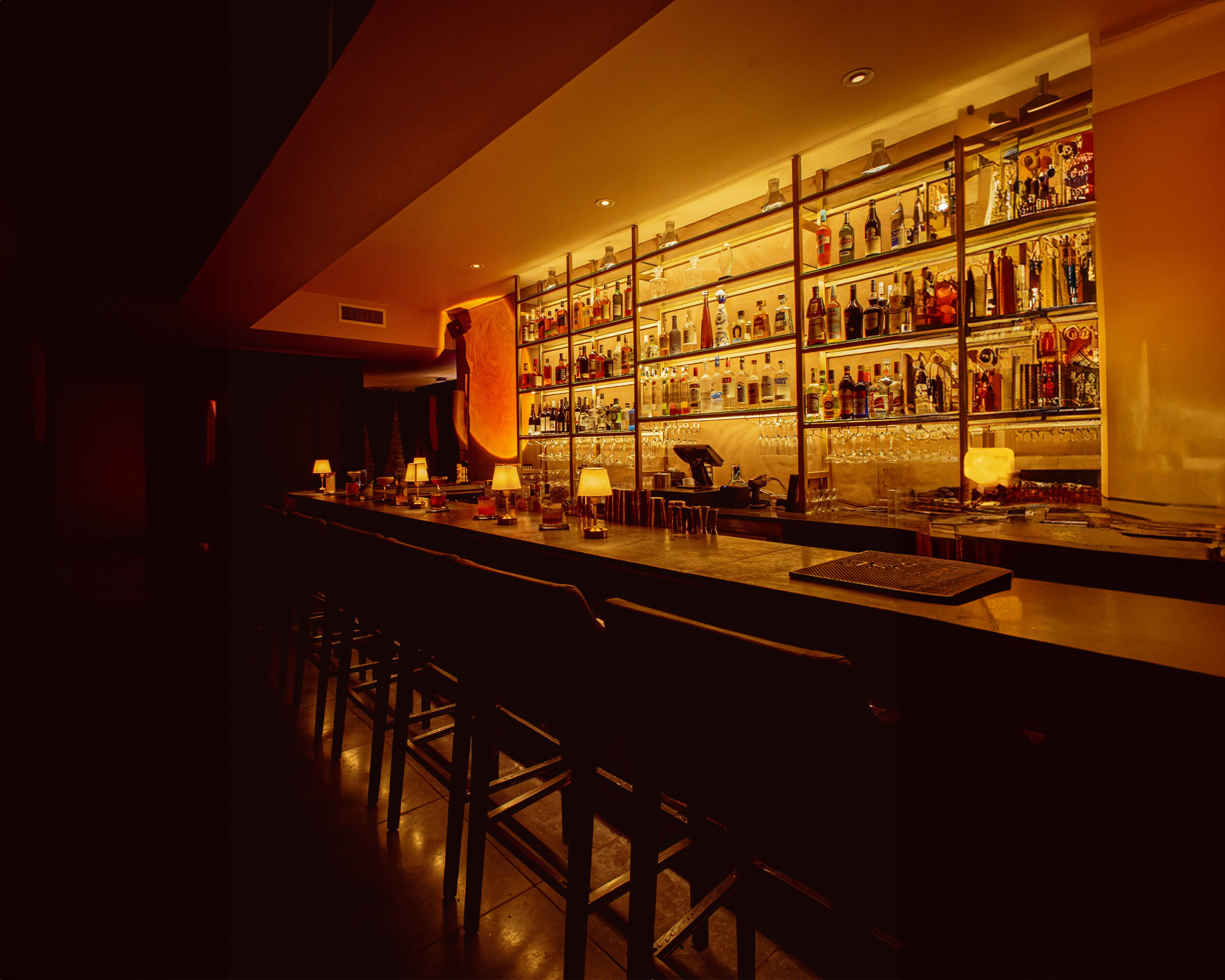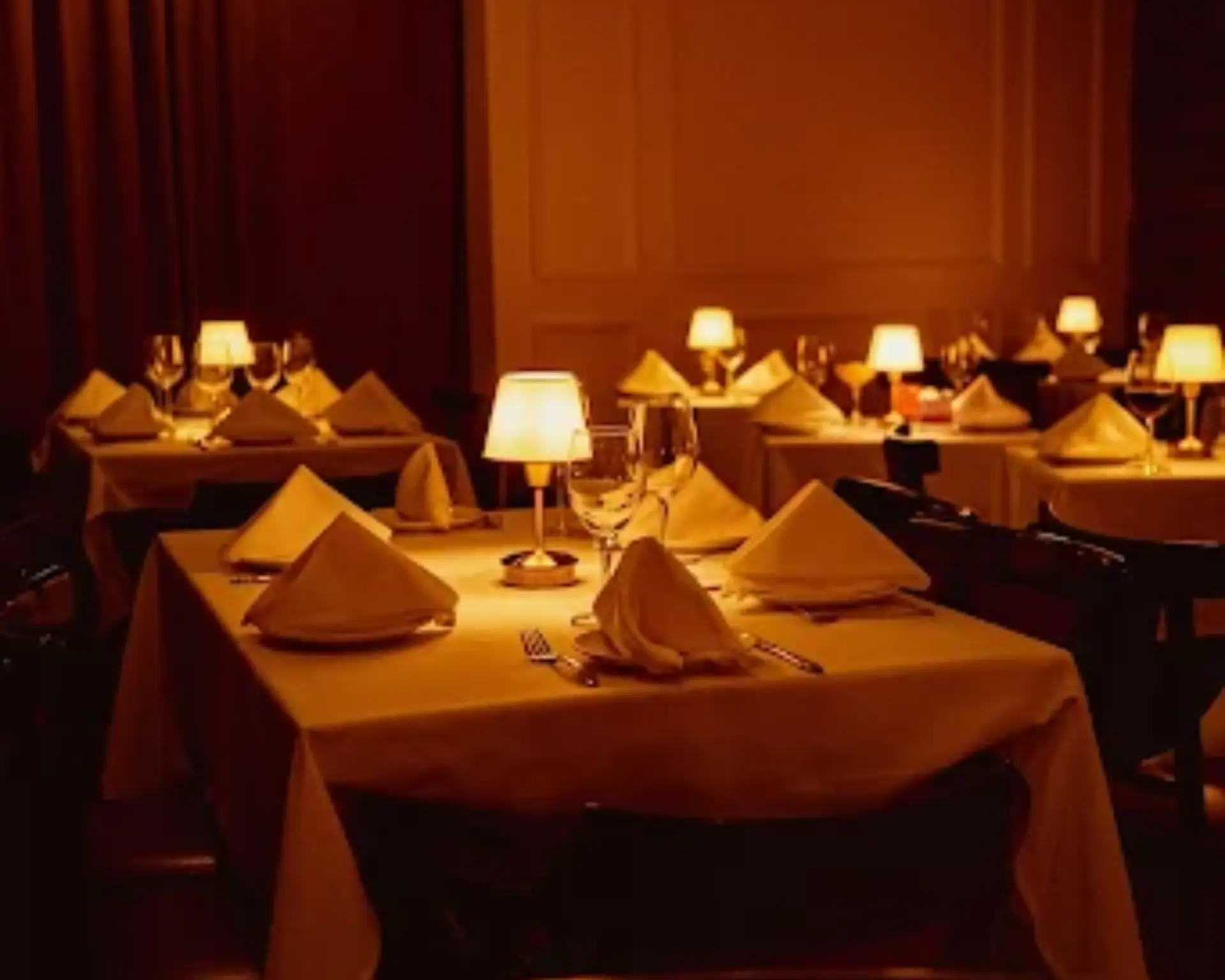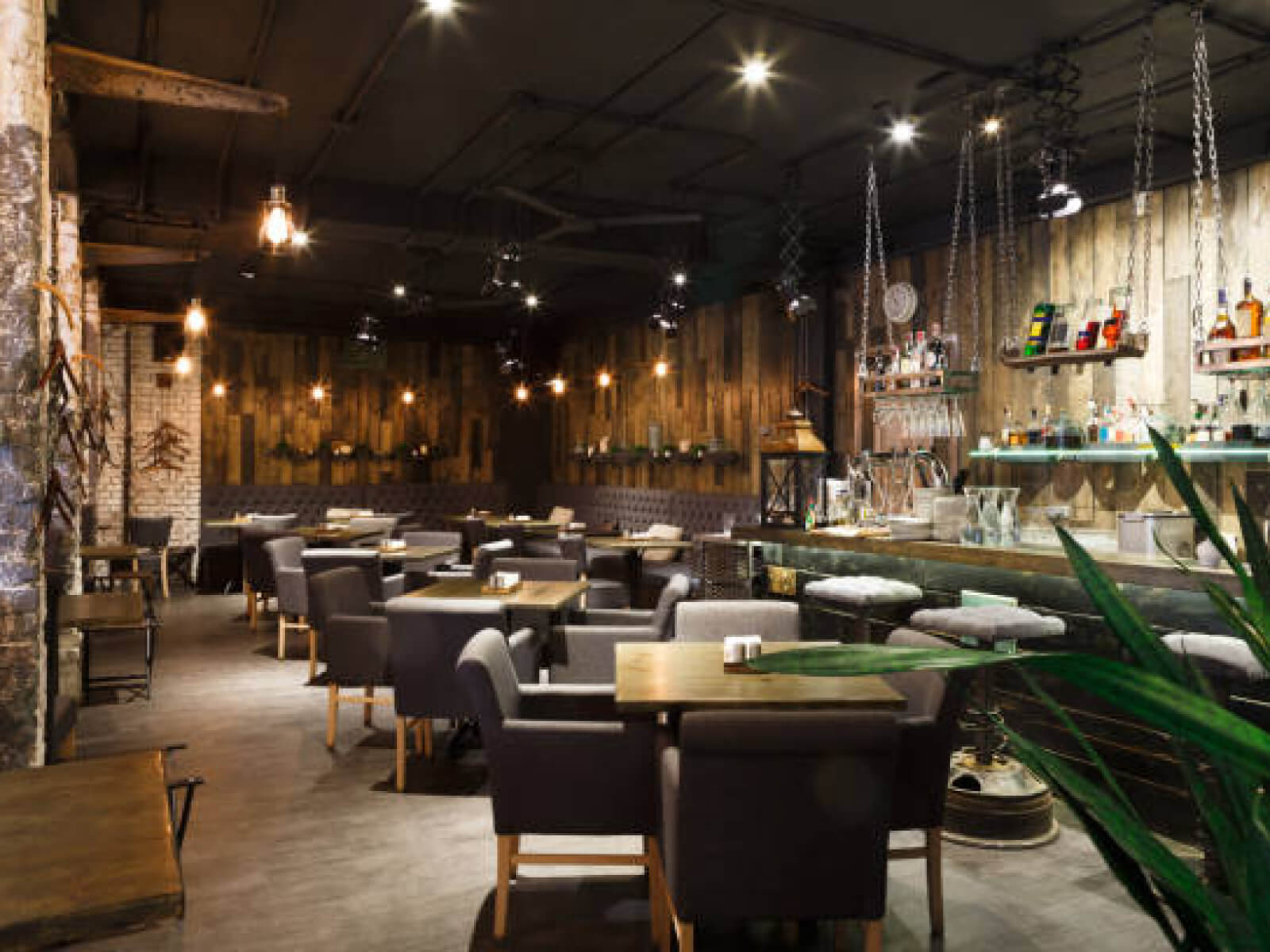
Tag: West Village Nightlife

  • Restaurants and Clubs in West Village NYC: Where Dinner Turns Into a Night Out

    Restaurants and Clubs in West Village NYC: Where Dinner Turns Into a Night Out

    West Village has always known how to do a night out properly — cobblestone streets, low-rise brownstones, and a dining scene that rewards people who linger. Somewhere between “let’s grab dinner” and “let’s find a club,” a new kind of venue has taken over: the supper club, where the meal is just the opening act.
    Immersive dining experience for corporate events at DEJAVU in West Village
    Corporate events at DEJAVU combine Mediterranean cuisine, handcrafted cocktails, and immersive entertainment in West Village NYC.

    Introduction

    Search restaurants in West Village NYC and you’ll get trattorias, wine bars, tasting menus. Search clubs in West Village NYC and the list looks completely different — DJ sets, dance floors, late-night lines. For a long time, those were two separate nights out.

    That’s changing. A wave of NYC venues is merging the two, and West Village — with its jazz basements and Prohibition-era speakeasy history — is where you’d expect it to happen first. This guide covers what’s driving that shift and takes a closer look at Dejavu, one of the neighborhood’s newer additions built around that blend.

    What Makes West Village NYC a Dining and Nightlife Destination

    West Village earns its reputation honestly. It’s one of Manhattan’s most walkable pockets — tree-lined streets, pre-war townhouses, a grid that breaks into diagonals just enough to keep every block feeling different. That’s part of why restaurants in West Village NYC tend to skew intimate rather than cavernous.

    The neighborhood has real nightlife credentials too. West Village was a center of Prohibition-era speakeasy culture, and that history keeps resurfacing in hidden bars, curtained lounges, and supper clubs built around the same idea: know where the door is.

    Best Restaurants in West Village NYC

    The neighborhood’s restaurant scene spans decades-old Italian institutions to newer, design-forward concepts. Among venues built around atmosphere and pacing as much as food, Dejavu stands out.

    Dejavu: A Mediterranean Restaurant and Supper Club on West Street

    Dejavu opened at 394 West Street in October 2025, near the Hudson River waterfront, from restaurateur Barış Köroğlu — also a co-founder of Aquarelle and the nightlife concept The Lullaby. The concept: a single 2,800-square-foot space that changes shape through the day instead of closing and resetting.

    By day, it’s a European-inspired caviar café. By evening, candlelight replaces daylight, live jazz takes over, and it becomes a full supper club, open until 2 a.m. Wednesday through Sunday.

    The kitchen leans Mediterranean — coastal, Turkish, and Italian traditions filtered through a New York lens:

    • Scallop crudo with fennel and orange zest
    • Tuna tartare with yuzu ponzu
    • Shrimp carpaccio finished with caviar
    • Signature pastrami croquettes and hand-crafted pastas
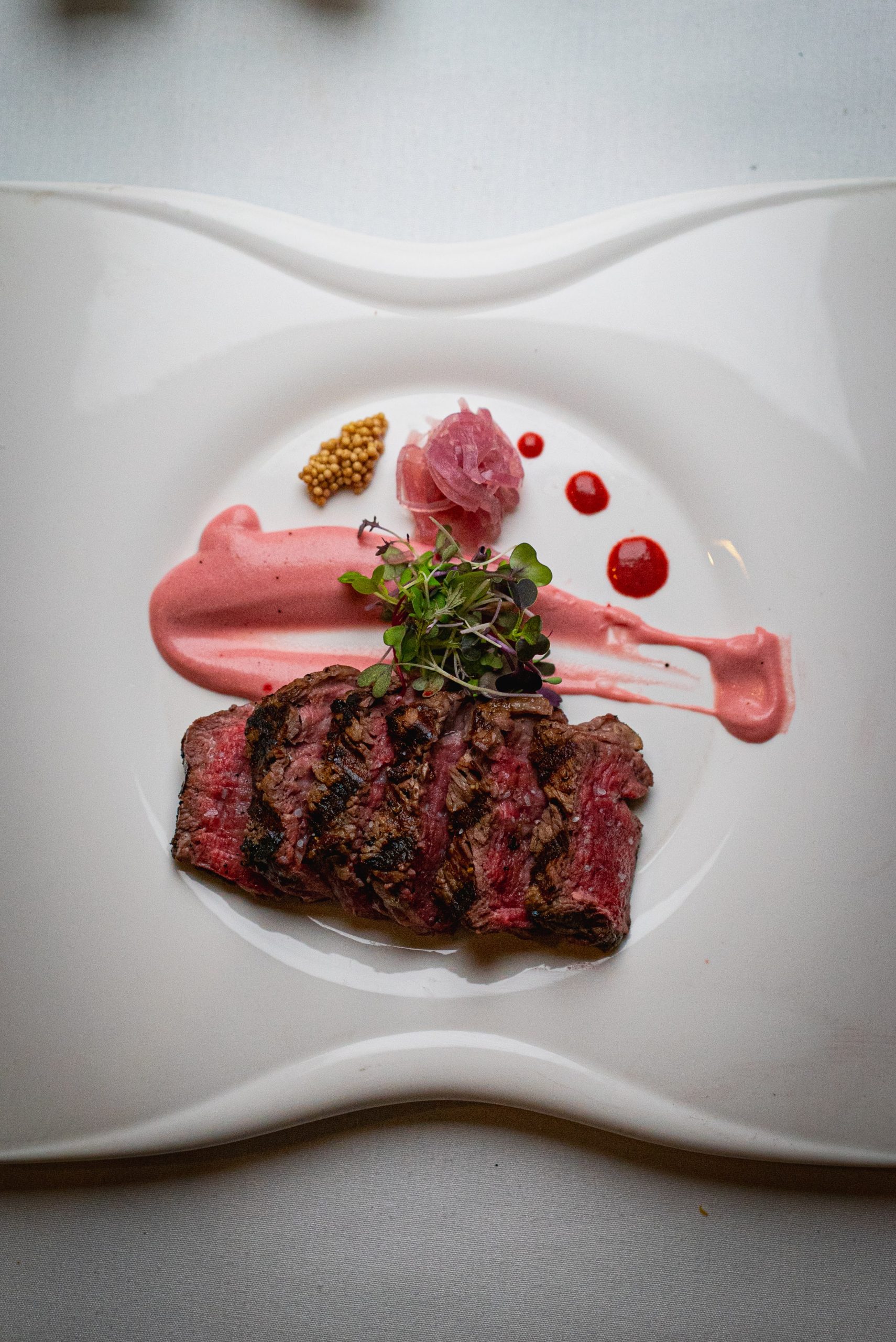
    • Grilled lamb chops, pan-seared seabass, and a lemon spaghetti with caviar — a menu standout

    The cocktail list is just as deliberate: several drinks, including a truffle coffee Negroni, take 8–10 hours to prepare.

    Dejavu’s Three Rooms at a Glance

    Room Vibe Seating Best For
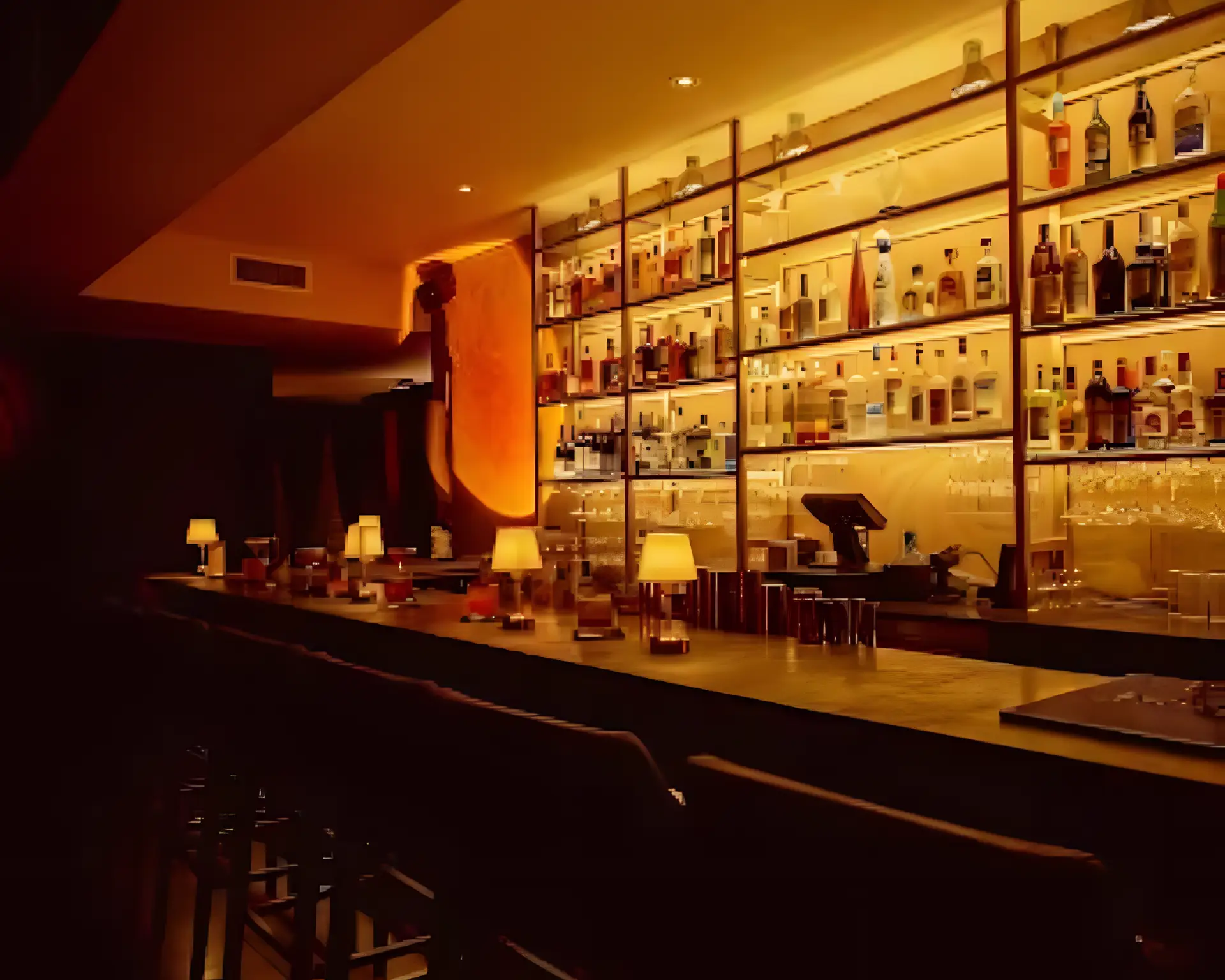
    Emerald Room Green-and-gold front bar Nine-seat bar plus surrounding tables Cocktails, walk-ins, casual catch-ups
    Golden Room Cream tones, antique drapery, soft light Main dining room Dinner, celebrations, groups
    Red Room (Desire Room) Hidden speakeasy behind velvet curtains 10 seats Private tasting menus, burlesque shows

    Best Clubs in West Village NYC (And Where Nightlife Gets Interesting)

    “Clubs in West Village NYC” covers more ground than the term suggests elsewhere. This isn’t Meatpacking’s big-room dance clubs a few blocks north — West Village nightlife leans toward smaller, atmospheric spaces you need a reservation, or luck, to get into.

    Feature Traditional Restaurant Traditional Nightclub Supper Club (e.g., Dejavu)
    Focus Food Music, dancing Food + entertainment + atmosphere
    Typical hours Closes by 10–11 p.m. Opens late, closes very late Day café to 2 a.m. supper club
    Entertainment Rare DJ sets Live jazz, burlesque, curated performances
    Best for A meal A dance-focused night Dinner, drinks, and a show in one

    The Red Room: Dejavu’s Speakeasy Within a Restaurant

    At Dejavu, that idea lives in the Red Room — also called the Desire Room — hidden behind velvet curtains at the back of the space. It seats just ten people, reserved for private tasting menus and burlesque performances, typically Thursday through Saturday.

    It’s the part of Dejavu that functions less like a restaurant and more like the kind of club West Village has always specialized in — small, a little secretive, built around one specific night.

    Benefits of Choosing a Restaurant-and-Club Concept

    A hybrid venue solves a specific problem: needing two or three reservations to have one good night out.

    • One reservation covers the night. No taxi between venues — dinner, drinks, and entertainment happen in the same building.
    • Built-in entertainment. Live jazz or a burlesque show is programmed into the evening, not planned separately.
    • Exclusive feel, no membership needed. Rooms like Dejavu’s 10-seat Red Room offer that “hidden room” feeling on one reservation.
    • Better pacing. The design — candlelight replacing daylight, music deepening as the night goes on — slows guests down instead of rushing them out.
    • Ideal for groups and celebrations. A party can start at the bar, move to a dinner table, and end somewhere more intimate, all without leaving.

    How to Plan a Night Out at a West Village Restaurant or Supper Club

    1. Pick your version of the night. An early, food-focused dinner and a late evening running into a show need different timing — Dejavu’s day-to-night format supports either.
    2. Book ahead, especially for the Red Room. Ten-seat rooms and burlesque nights sell out fastest; reserve a few days out.
    3. Choose your room. A quick cocktail calls for the bar; a full dinner, the dining room; a special occasion, the speakeasy.
    4. Time your arrival. Come during café hours for something quieter, or as evening sets in to catch the shift to supper-club mode.
    5. Dress a notch up. Smart, elevated evening wear fits better than jeans and sneakers.
    6. Leave room to stay late. Part of a supper club’s appeal is not rushing off after dessert.

    Statistics and Latest Data on NYC’s Dining and Nightlife Scene

    New York City’s restaurant industry includes tens of thousands of establishments citywide, with Manhattan holding the largest concentration — and West Village sits inside one of the most competitive dining pockets in the borough.

    The more interesting shift right now is format, not volume. 2026 has brought a genuine wave of new supper clubs: the h.wood Group’s 10,000-square-foot Lady Delilah is opening in the Meatpacking District this fall, and Midtown’s Casa CeCe has built its concept around dinner blending into live aerial performance. Operators citywide are betting guests want one evening that moves from dinner into entertainment, not a meal followed by a separate plan.

    📊 Quick Fact: Dejavu opened its 2,800-square-foot, three-room space in October 2025 — months ahead of several major NYC supper club concepts announced for later in 2026.

    Expert Tips for Choosing the Right West Village Restaurant or Club

    • Ask what “supper club” means at that venue. Some are dinner with a DJ; others are full productions. Dejavu leans on live jazz and scheduled burlesque — “elegant evening” over “loud night out.”
    • Book the smallest room first. Rooms like the Red Room sell out before the main dining room does — reserve that room specifically if booking allows it.
    • Thursday through Saturday is the livelier bet. Earlier or midweek visits favor a calmer, conversation-friendly dinner.
    • Confirm hours before you go. A table booked at 4 p.m. is a very different experience than one at 10 p.m.
    • Walk the neighborhood either way. A short loop past a landmark like the Village Vanguard adds to a night already built around atmosphere.

    Frequently Asked Questions

    What are the best restaurants in West Village NYC for a special occasion? 

    Look for atmosphere as much as food — dim lighting, multiple rooms, a slower pace. Dejavu’s Golden Room and Red Room are built for exactly that.

    Are there good clubs in West Village NYC, or is nightlife mostly downtown?

    Yes, just smaller-scale than nearby Meatpacking — think jazz basements and hidden-room supper clubs, like Dejavu’s Red Room, over large dance clubs.

    What exactly is a supper club? 

    Dinner plus live entertainment in one continuous evening. Dejavu moves from a daytime café to a candlelit, jazz-driven supper club by night.

    Does Dejavu take reservations, and how far ahead should I book? 

    Yes — for weekends or the Red Room specifically, book several days to a week ahead, since its ten seats sell out fast.

    What kind of food does Dejavu serve? 

    Mediterranean cuisine with coastal, Turkish, and Italian influences — think scallop crudo, tuna tartare, grilled lamb chops, and pan-seared seabass.

    What is the Red Room at Dejavu? 

    Also called the Desire Room — a 10-seat speakeasy behind velvet curtains, used for private tasting menus and burlesque, Thursday through Saturday.

    Is there a dress code for West Village restaurants and supper clubs?

    Nothing strict, but smart, elevated evening wear suits the atmosphere far better than casual daywear.

    What are the best nights to visit for live entertainment? 

    Thursday through Saturday — live jazz citywide, and at Dejavu, scheduled burlesque sets in the Red Room.

    Is West Village walkable, and how do I get around once I’m there? 

    Very — one of Manhattan’s most pedestrian-friendly neighborhoods, with restaurants, bars, and landmarks within a short walk of each other.

    What’s the price range for a West Village supper club like Dejavu? 

    Upscale — closer to a special-occasion dinner than a casual meal. Confirm current menu pricing directly before booking.

    Conclusion

    West Village has never really separated “dinner” from “going out” — it just took venues a while to catch up to that instinct. Between its jazz-club history and a new wave of supper clubs, the neighborhood is one of the city’s better answers to both restaurants in West Village NYC and clubs in West Village NYC, without forcing a choice between them.

    Dejavu is a clear example of where that’s heading: a Mediterranean menu serious enough to anchor a full dinner, three rooms built for different moods, and a Red Room that turns “supper club” from a marketing term into an actual experience. If a night that moves from dinner into something more is what you’re after, it’s worth booking a table.
  • Dejavu NYC: Where Mediterranean Dining Meets West Village Nightlife

    Dejavu NYC: Where Mediterranean Dining Meets West Village Nightlife

    Finding a restaurant in Manhattan is easy. Finding one that can carry an entire evening—from dinner and cocktails to atmosphere and entertainment—is much harder. Dejavu NYC brings those elements together in the West Village through Mediterranean-inspired cuisine, handcrafted cocktails, live entertainment, and a supper club setting.

    Whether you are planning a date, celebrating with friends, arranging a private dinner, or exploring memorable restaurants in West Village NYC, Dejavu is designed around more than the meal. The experience connects food, drinks, mood, and entertainment so the night can develop naturally in one place.

    Why the West Village Works So Well for a Night Out

    The West Village has a distinctive rhythm. Its smaller streets, historic architecture, restaurants, bars, and late-night energy make it one of Manhattan’s most recognizable dining neighborhoods. Many venues feel intimate rather than oversized, which suits date nights, celebrations, and longer dinners.

    Searches for restaurants in West Village NYC also reflect different needs. One guest may want a romantic dinner. Another may be planning a birthday. Someone else wants cocktails and entertainment without traveling across Manhattan after the meal.

    That is where the supper club format becomes useful.

    What Is Dejavu NYC?

    Dejavu NYC is a Mediterranean restaurant and supper club at 394 West Street in the West Village. The concept combines elevated dining with crafted drinks, immersive interiors, and live entertainment.

    The menu draws from Mediterranean and Turkish-inspired influences, with fresh seafood, premium meats, handmade pastas, and signature specialties. Entertainment is integrated into the broader experience rather than treated like a separate event.

    Dejavu also features three distinct spaces, each with a different mood. The Red Room adds a more intimate and dramatic layer to the venue, helping Dejavu West Village feel different from a conventional restaurant.

    What Makes Dejavu Different From a Traditional Restaurant?

    Many West Village restaurants are built around a clear specialty: Italian cooking, wine, neighborhood charm, or fine dining. Dejavu follows a more experience-led model.

    Experience Element Traditional Restaurant Dejavu NYC
    Main focus Food and service Food, drinks, atmosphere, entertainment
    Format Seated dining Dinner that can become a fuller night out
    Entertainment Usually limited Live and interactive elements
    Setting One main mood Multiple distinct spaces
    Best for Everyday dining Dates, celebrations, groups, special nights
    After dinner Guests may move elsewhere The evening can continue in one venue

    The point is not that one format is better. Dejavu simply serves a different intent: diners who want the restaurant itself to become part of the occasion.

    Mediterranean Cuisine With a New York Point of View

    At Dejavu, the menu is built around Mediterranean flavors while allowing room for modern New York influence. Guests can explore seafood, premium meats, handmade pasta, vegetables, and Turkish-inspired specialties.

    A Menu Designed for a Social Table

    Mediterranean dining naturally suits sharing. A group can combine lighter starters, seafood, vegetables, pasta, and richer mains instead of ordering isolated courses.

    This works especially well for:

    • Date nights where you want to try several dishes
    • Birthday dinners with friends
    • Groups meeting for dinner and cocktails
    • Business or private dinners
    • First-time guests exploring Mediterranean cuisine

    For a first visit, consider mixing different categories rather than ordering only one type of dish. It creates more contrast across the table and gives you a better sense of the kitchen.

    Handcrafted Cocktails That Support the Evening

    The cocktail program is part of the identity of Deja Vu NYC, not simply an add-on.

    That matters when comparing restaurants in West Village NYC because drinks often determine what happens after dinner. At many places, guests finish the meal and begin searching for another bar. At Dejavu, cocktails and entertainment help extend the night in the same setting.

    This makes the venue especially suitable for open-ended plans: arrive for dinner, order another round, enjoy the atmosphere, and let the evening build without rushing to the next reservation.

    The experience does not depend on drinking, either. The broader appeal comes from the way the beverage program, dining room, and entertainment work together.

    From Dinner to Live Entertainment

    The strongest point of difference at Dejavu is the relationship between dining and entertainment.

    A traditional restaurant usually ends when the meal ends. A nightlife venue may place food in a secondary role. Dejavu sits between those categories by using dinner as the foundation and allowing the energy to grow later in the evening.

    Live and interactive entertainment can make a visit feel more distinctive, particularly for birthdays, anniversaries, date nights, and group celebrations.

    Who Is Dejavu Best For?

    1. Date nights — intimate atmosphere with enough energy to make the night feel special.
    2. Birthdays — dinner, drinks, entertainment, and private-event options in one destination.
    3. Anniversaries — a setting that feels more occasion-driven than everyday dining.
    4. Group nights out — fewer logistics because dinner and entertainment are combined.
    5. NYC visitors — a way to experience West Village dining and nightlife in one stop.
    6. Local diners — especially those looking for something beyond a standard restaurant reservation.

    The Red Room: A More Intimate Side of Dejavu

    One of the most recognizable parts of Dejavu West Village is the Red Room. It creates a more private, dramatic mood within the larger restaurant and supper club.

    That gives guests more choice. Some evenings are about being in the center of the main dining room; others call for a more enclosed setting.

    The Red Room also strengthens Dejavu’s appeal for celebrations and private experiences because it gives the venue a clear visual identity. People often remember the room, lighting, energy, and sense of occasion as much as the individual dishes they ordered.

    Why Choose Dejavu Among Restaurants in West Village NYC?

    The West Village has no shortage of restaurants, so the right choice depends on the kind of evening you want.

    1. More of the Night in One Place

    Instead of coordinating dinner, a cocktail bar, and entertainment separately, guests can experience several stages of the evening at one destination.

    2. Occasion-Friendly Atmosphere

    The setting naturally suits dates, birthdays, private dinners, and nights when a standard dining room may feel too routine.

    3. Variety Across the Menu

    Seafood, meat, pasta, vegetables, and Turkish-inspired flavors give mixed groups flexibility.

    4. Entertainment Creates Shared Moments

    Live elements add energy and can turn a normal dinner into a more memorable social experience.

    Frequently Asked Questions

    1. What is Dejavu NYC known for?

    Dejavu NYC is known for combining Mediterranean dining, handcrafted cocktails, live entertainment, and a supper club atmosphere in the West Village.

    2. Where is Dejavu NYC located?

    Dejavu is located at 394 West Street, New York, NY, in Manhattan’s West Village.

    3. What type of food does Dejavu serve?

    The menu focuses on Mediterranean cuisine, including seafood, premium meats, handmade pastas, and Turkish-inspired specialties.

    4. Is Dejavu West Village good for date night?

    Yes. Its intimate setting, cocktails, distinctive rooms, Mediterranean menu, and entertainment make it suitable for couples who want more than a standard dinner.

    5. Is Dejavu good for birthday celebrations?

    Yes. Its group-friendly dining, atmosphere, entertainment, and private-event options make it a strong choice for birthday dinners and milestone celebrations.

    Conclusion: Make the Restaurant Part of the Night

    The best restaurant choice is the one that fits the experience you are trying to create.

    For diners searching Dejavu NYC, Deja Vu West Village, or memorable restaurants in West Village NYC, Dejavu offers a clear combination: Mediterranean cuisine, thoughtful cocktails, distinct interiors, and live entertainment in one destination.

    It works especially well when dinner should feel like an occasion rather than a simple reservation. Come for the food, stay for the atmosphere, and leave enough room in the schedule for the evening to become something more.

  • Clubs in West Village NYC: Discover Dining, Entertainment, and Nightlife at DejaVu

    Clubs in West Village NYC: Discover Dining, Entertainment, and Nightlife at DejaVu

    Introduction

    The West Village has always approached nightlife differently.

    Its historic streets, intimate venues, creative energy, restaurants, performance spaces, cocktail bars, and late-night destinations provide an alternative to Manhattan’s large commercial nightclubs. The neighborhood is particularly appealing to visitors who want an evening that feels stylish and energetic without losing the opportunity to dine, talk, celebrate, and connect.

    That is where modern supper clubs fit in.

    Unlike a traditional nightclub that focuses mainly on dancing and bottle service, a supper club combines food, drinks, atmosphere, hospitality, and entertainment. Guests can begin the evening over dinner, enjoy cocktails between courses, experience live performances, and remain in the same immersive setting as the energy builds.

    DejaVu NYC reflects this more complete approach to nightlife. The West Village restaurant and supper club combines Mediterranean-inspired cuisine, premium meats, seafood, handmade pasta, handcrafted cocktails, interactive performances, private spaces, and a distinctive late-night atmosphere.

    For people researching clubs in West Village NYC, DejaVu provides an option that sits between an elevated restaurant, an intimate lounge, an entertainment venue, and a private event destination.

    DejaVu’s current reservation page presents the venue as a Mediterranean restaurant and supper club offering dinner, craft cocktails, live entertainment, private events, and reservations through Resy.

    Why the West Village Is a Premier Nightlife Destination

    A more intimate atmosphere

    Many West Village venues are smaller and more atmospheric than the large clubs found in other Manhattan nightlife districts.

    This creates a more personal experience. Guests can enjoy music and entertainment without feeling disconnected from the people at their table.

    For couples, small groups, and special occasions, that intimacy can be more valuable than the scale of a traditional nightclub.

    Dining and nightlife are closely connected

    A typical night out can involve several separate bookings:

    1. Dinner at a restaurant
    2. Cocktails at another location
    3. Entertainment at a third venue
    4. Transportation between every stop

    A West Village supper club simplifies the evening by combining several experiences under one roof.

    At DejaVu, the menu, cocktail program, environment, and live performances are designed as parts of the same experience rather than unrelated services.

    Suitable for different occasions

    The neighborhood works equally well for:

    • First dates
    • Anniversary dinners
    • Birthday celebrations
    • Engagements and proposals
    • Corporate entertainment
    • Client dinners
    • Weekend gatherings
    • Private parties
    • Visitors exploring Manhattan
    • Groups seeking a complete night out

    This versatility is one reason searches for supper clubs NYC continue to overlap with searches for dining, entertainment, lounges, and nightlife experiences.

    What Defines a Modern West Village Club?

    The meaning of “club” has expanded.

    Some people still use the word to describe a dance floor with DJs and bottle service. Others use it to find lounges, social clubs, jazz venues, performance restaurants, or supper clubs.

    Understanding the differences will help you choose the right experience.

    Traditional nightclub

    A conventional nightclub generally prioritizes:

    • DJs and amplified music
    • Dancing
    • Bar service
    • Bottle service
    • Standing-room socializing
    • Late-night entry
    • A high-energy crowd

    Food may be unavailable or limited.

    Cocktail lounge

    A cocktail lounge usually focuses on:

    • Crafted drinks
    • Comfortable seating
    • Conversation
    • Music at a manageable level
    • Smaller groups
    • Pre-dinner or post-dinner drinks

    Entertainment may not be part of the experience.

    Live entertainment venue

    These destinations are built around:

    • Scheduled performances
    • Ticketed entry
    • Stage-focused seating
    • Musicians, dancers, singers, or theatrical acts
    • Specific arrival and performance times

    Dining may be secondary or offered separately.

    Supper club

    A supper club brings several elements together:

    • Full-service dining
    • Cocktail service
    • Live entertainment
    • Atmospheric interiors
    • Social energy
    • Special-occasion hospitality
    • Late-evening experiences

    DejaVu belongs in this category. It is not simply a restaurant with background music or a traditional dance club with a small food menu. It is designed as an immersive dining and entertainment destination where performances interact with the overall atmosphere.

    Why Supper Clubs Are Changing NYC Nightlife

    Modern guests increasingly want a night out to feel purposeful.

    They do not necessarily want to wait in multiple lines, manage several reservations, travel between locations, or spend the evening shouting over music. They want great food, memorable drinks, shareable moments, entertainment, and an environment that feels special.

    Live entertainment inside DejaVu West Village supper club

    A supper club responds to those expectations.

    The evening has a natural progression

    The experience may begin with cocktails and conversation, move into dinner, and develop into performances and late-night energy.

    This gradual progression can feel more enjoyable than entering a high-intensity nightclub immediately.

    Guests receive more than one form of entertainment

    The food, presentation, cocktails, design, service, music, and live performances all contribute to the evening.

    At DejaVu, entertainment is integrated into the dining room rather than treated as a distant show guests watch from the sidelines.

    The format supports celebrations

    Birthdays and milestone events often include guests with different preferences. Some may want to dine, others may prefer cocktails, and others may be most interested in the entertainment.

    A supper club gives the entire group multiple ways to enjoy the occasion.

    What to Expect at DejaVu NYC

    Mediterranean-inspired dining

    DejaVu’s menu includes Mediterranean flavors, fresh seafood, premium meats, handmade pasta, Turkish-inspired specialties, small plates, and crafted dishes designed for an elevated evening.

    The dining component is important because DejaVu is not positioning food as an afterthought. Dinner is one of the central parts of the overall experience.

    Guests can explore the complete selection on the DejaVu menu page before reserving.

    Handcrafted cocktails

    The cocktail experience adds another layer to the evening.

    A well-planned drink program can complement the menu, establish the mood, and provide a smooth transition from dinner into entertainment. Guests looking for a complete evening can begin with a cocktail rather than travelling to a separate bar before their reservation.

    Read more about the venue’s approach to drinks in the guide to cocktails in the West Village.

    Immersive live entertainment

    At DejaVu, performances are incorporated into the dining experience. Guests may experience interactive and surprise entertainment moving through the room rather than taking place only on a distant stage.

    This structure makes each evening feel less predictable and more engaging.

    Atmospheric dining spaces

    Lighting, décor, table placement, music, and room design all influence how a venue feels.

    DejaVu includes multiple distinct spaces and an exclusive Red Room designed for more private and immersive occasions. The venue’s private-event offering includes rooms suitable for groups ranging from intimate gatherings to larger celebrations.

    Private celebrations

    DejaVu offers event options for:

    • Birthday dinners
    • Corporate gatherings
    • Proposals
    • Holiday parties
    • Milestone celebrations
    • Private dining
    • Full restaurant buyouts

    Its birthday and private-event offering supports groups of approximately 20–120 guests across three spaces.

    Groups can review the birthday celebration and private-event options before requesting availability.

    DejaVu Compared With Traditional Nightclubs

    Feature DejaVu Supper Club Traditional Nightclub
    Full dinner menu Yes Usually limited or unavailable
    Assigned seating Available through reservations Often limited
    Live performances Integrated into the experience Usually DJ-focused
    Cocktail program Part of the dining journey Primarily bar or bottle service
    Conversation Easier during dinner Often difficult
    Date-night suitability High Depends on the venue
    Birthday experience Dinner, drinks, entertainment, and private spaces Primarily dancing and bottle service
    Corporate events Suitable for dining and entertaining Less suitable for formal meals
    Private rooms Available Varies
    Overall experience Structured but immersive Primarily high-energy nightlife

    Benefits of Choosing a Supper Club

    1. One reservation can organize the entire evening

    Instead of coordinating several locations, guests can dine, drink, socialize, and enjoy entertainment in one destination.

    2. It works for mixed groups

    Not everyone enjoys the same type of nightlife. A supper club provides options for guests who enjoy food, performances, cocktails, conversation, or late-night energy.

    3. The setting feels suitable for special occasions

    Atmospheric lighting, table service, curated menus, and live entertainment can make birthdays, anniversaries, and proposals feel more intentional.

    4. Guests can spend more time together

    Less travel means fewer interruptions and more time enjoying the company of your group.

    5. Private spaces provide greater control

    Private-event bookings may offer more control over seating, menus, schedules, room selection, and the overall guest experience.

    6. It provides a distinctive New York experience

    A West Village supper club combines the neighborhood’s intimate character with the energy associated with NYC nightlife.

    Challenges to Consider Before Visiting

    Even a well-planned night can become stressful when practical details are overlooked.

    Popular evenings may sell out

    Friday and Saturday reservations can become limited, especially for larger groups or special events.

    Solution: Book early and confirm the number of guests before reserving.

    Entertainment schedules can change

    Live entertainment may vary by date.

    Solution: Review the reservation page or contact the venue to confirm the planned experience.

    Group preferences may differ

    Some guests may expect a quiet restaurant, while others may expect a traditional dance club.

    Solution: Explain that DejaVu is an immersive restaurant and supper club combining dinner, drinks, and entertainment.

    Dietary requirements need advance planning

    Guests may have allergies, dietary restrictions, or specific preferences.

    Solution: Review the menu and contact the venue before the reservation.

    Late arrivals can affect the experience

    Arriving late may mean missing part of dinner, a performance, or a scheduled event.

    Solution: Plan transportation in advance and arrive slightly before the reservation time.

    How to Plan Your Night at DejaVu

    Step 1: Decide what type of night you want

    Identify the primary purpose:

    • Romantic dinner
    • Birthday celebration
    • Group night out
    • Corporate event
    • Private gathering
    • Dinner and entertainment
    • Cocktails and late-night atmosphere

    This determines whether you need a standard table, group reservation, private room, or full buyout.

    Step 2: Check the menu

    Review the DejaVu menu for dishes, sharing options, seafood, meats, pasta, Mediterranean specialties, and cocktails.

    Ask your guests about allergies and dietary requirements before making a group request.

    Step 3: Review the entertainment

    Check which performances or events may be available on your preferred date.

    Because the entertainment is part of the experience, choosing the right evening can significantly influence the atmosphere.

    Step 4: Reserve early

    Use the DejaVu reservation page to check availability.

    For birthdays, corporate gatherings, or groups requiring a private room, submit an event inquiry instead of relying on a standard table booking.

    Step 5: Choose appropriate attire

    Smart-casual or elevated evening attire generally matches the atmosphere better than highly casual clothing.

    The goal is not to make guests uncomfortable but to ensure the group feels prepared for an upscale evening.

    Step 6: Plan transportation

    Allow additional travel time during busy Manhattan evenings.

    Using public transportation, a taxi, or a rideshare can be easier than finding parking near a popular West Village destination.

    Step 7: Arrive on time

    Arriving before your reservation gives your group time to check in, settle at the table, and order drinks without feeling rushed.

    Step 8: Stay present

    The performances, food, cocktails, and room design are intended to work together. Enjoy the experience rather than treating the venue as only another stop on a crowded itinerary.

    Latest NYC Tourism and Nightlife Data

    New York City welcomed approximately 65 million visitors in 2025, exceeding its forecast. Those visitors generated approximately $55.6 billion in direct spending and an estimated $84.7 billion in total economic impact, according to NYC Tourism + Conventions’ March 2026 annual report announcement.

    Mediterranean dinner and handcrafted cocktails at DejaVu NYC

    The NYC Office of Nightlife describes the city’s nightlife economy as supporting nearly 300,000 jobs and generating approximately $35.1 billion in economic impact.

    These numbers demonstrate that dining and nightlife are not minor parts of the New York visitor experience. Restaurants, bars, supper clubs, performances, music venues, and private-event destinations contribute substantially to the city’s economic and cultural identity.

    For businesses such as DejaVu, this also highlights an important shift in user intent. People are not only searching for places to eat. They are searching for complete experiences using terms such as:

    • Clubs in West Village NYC
    • Supper clubs NYC
    • Dinner with live entertainment NYC
    • West Village nightlife
    • Birthday dinner West Village
    • Romantic supper club NYC
    • Private dining West Village
    • Mediterranean restaurant with entertainment
    • Late-night dinner West Village NYC
    • Best night out in West Village

    Frequently Asked Questions

    1. What type of venue is DejaVu NYC?

    DejaVu NYC is a Mediterranean restaurant and immersive supper club in the West Village. It combines full-service dining, handcrafted cocktails, atmospheric interiors, and live entertainment.

    2. Is DejaVu a traditional nightclub?

    No. DejaVu is better described as a restaurant and supper club. It offers nightlife energy and entertainment but places greater emphasis on dining, cocktails, hospitality, and an immersive guest experience.

    3. Why is DejaVu relevant to searches for clubs in West Village NYC?

    Many people searching for West Village clubs want more than a dance floor. DejaVu serves guests looking for dinner, entertainment, cocktails, celebrations, social energy, and a complete night out in one location.

    4. What type of food does DejaVu serve?

    The menu focuses on Mediterranean and Turkish-inspired cuisine, including seafood, premium meats, handmade pasta, small plates, and signature dishes.

    5. Does DejaVu offer live entertainment?

    Yes. Live and interactive performances are incorporated into the dining experience. Entertainment may vary by evening, so guests should confirm the schedule when reserving.

    6. Is DejaVu suitable for a romantic date?

    Yes. The intimate atmosphere, Mediterranean dining, handcrafted cocktails, lighting, and live entertainment make it suitable for date nights, anniversaries, and special evenings.

    7. Can I celebrate a birthday at DejaVu?

    Yes. DejaVu hosts birthday dinners and private celebrations, with multiple event spaces available for groups of approximately 20–120 guests.

    Conclusion

    The best night out is not always the one with the largest dance floor or the loudest music. Often, it is the evening where every detail works together—the food, drinks, people, room, service, atmosphere, and unexpected moments.

    Dejavu NYC brings those elements together in the heart of the West Village.

    For guests comparing clubs in West Village NYC, DejaVu offers a refined alternative to the traditional nightclub experience. Mediterranean cuisine establishes the foundation, handcrafted cocktails shape the mood, and immersive performances transform dinner into something more memorable.

    Whether you are planning a romantic evening, celebrating a birthday, entertaining clients, or gathering friends for a distinctive Manhattan night, DejaVu makes it possible to experience dining and nightlife without choosing between them.

    Ready to Experience DejaVu NYC?

    Discover Mediterranean flavors, sophisticated cocktails, immersive entertainment, and one of the West Village’s most atmospheric supper-club experiences.

    CTA Button: Reserve Your Table at DejaVu