
Tag: NYC Supper Clubs

  • Clubs in West Village NYC: When Dinner Becomes the Night Out

    Clubs in West Village NYC: When Dinner Becomes the Night Out

    The West Village has never needed a giant dance floor to create a memorable night. Its nightlife has always been more intimate: hidden bars, music rooms, candlelit restaurants, cocktails that turn into another round, and venues where nobody seems particularly eager to leave.

    That makes searching for clubs in West Village NYC slightly different from looking for clubs elsewhere in Manhattan.

    You may want music and energy without spending the entire evening standing in a crowded nightclub. You may want dinner without having the night end when dessert arrives. Or perhaps you are planning a date, birthday, or group night and would rather not make reservations at three different places.

    That is where the supper-club format becomes interesting.

    People searching “supper clubs NYC” are often looking for the space between restaurant and nightlife: somewhere to eat properly, order cocktails, enjoy entertainment, and let the evening build naturally.

    What Does “Club” Actually Mean in the West Village?

    Not every night out needs the same type of venue.

    Some people want a traditional nightclub with DJs and dancing. Others want live jazz, an intimate cocktail bar, or a restaurant that becomes increasingly lively as the evening progresses.

    Understanding these differences makes choosing the right venue much easier.

    Venue TypeMain FocusBest ForTypical Experience
    NightclubMusic and dancingLate-night groupsDJs, standing, dancing
    Cocktail BarDrinks and conversationDates, small groupsCocktails, intimate seating
    Live Music ClubPerformanceMusic loversScheduled performances
    RestaurantFoodDinner-focused plansSeated dining
    Supper ClubDinner + entertainmentDates, celebrations, groupsDining, cocktails, shows, nightlife

    A supper club does not necessarily replace a nightclub.

    It serves a different purpose.

    It works particularly well when the group wants several parts of a night out without constantly changing locations.

    Why Supper Clubs Fit the West Village

    The West Village naturally suits experiences that feel smaller, more atmospheric, and more personal.

    Rather than oversized nightlife venues, much of the area’s appeal comes from discovering rooms tucked into historic streets, spending longer over dinner, and being able to continue the evening nearby.

    A good supper club fits that rhythm.

    Dinner Is the Beginning, Not the End

    At a conventional restaurant, the experience naturally winds down after the final course.

    At a supper club, dinner can be the first stage of the evening.

    You might begin with cocktails, move into dinner, experience live entertainment, order another drink, and stay as the atmosphere changes later in the night.

    That creates a smoother evening, particularly for groups.

    You Spend Less Time Moving Around Manhattan

    A typical NYC night might require:

    1. Drinks at one bar.
    2. Dinner somewhere else.
    3. A rideshare or subway journey.
    4. Another line or reservation.
    5. A final club or music venue.

    That can be fun, but it also breaks up the evening.

    When food, cocktails, entertainment, and nightlife happen under one roof, the group can focus more on the experience and less on logistics.

    What Makes a Good Supper Club?

    Putting a performer inside a restaurant does not automatically create a strong supper-club experience.

    The individual elements have to work together.

    1. The Food Still Has to Matter

    Entertainment should never become an excuse for an ordinary meal.

    A strong supper club should work even if you removed the performance from the equation. Guests should still have a reason to return for the menu.

    Look for:

    • Thoughtful starters and sharing dishes
    • Properly executed main courses
    • Options for different dietary preferences
    • A menu designed for longer dinners
    • Desserts that encourage the table to stay

    2. Drinks Should Feel Like Part of the Experience

    Cocktails help determine the rhythm of the evening.

    A considered bar program allows guests to arrive early, stay after dinner, and continue socializing without having to immediately find another venue.

    3. Entertainment Should Complement Dinner

    The strongest performances add energy without making guests feel that dinner has suddenly stopped.

    Depending on the venue, that may involve:

    • Live musicians
    • Jazz
    • Acoustic sets
    • DJs
    • Cabaret-style performances
    • Immersive entertainment
    • Surprise performances

    The important question is not simply “Is there entertainment?”

    It is “Does the entertainment fit the atmosphere I want?”

    4. The Room Matters

    Lighting, table spacing, sound levels, seating, and room design affect how long guests actually want to stay.

    For a date, intimacy may matter most.

    For a birthday, energy and group seating may be more important.

    For a private event, having a separate room can completely change the experience.

    Where Dejavu Fits Into a West Village Night Out

    Dejavu’s current West Village concept combines Mediterranean dining, handcrafted cocktails, live entertainment, and a supper-club setting at 394 West Street. Its reservation page specifically positions the venue around dinner, cocktails, private events, and supper-club nights.

    This matters because the venue is not asking guests to choose between a restaurant and nightlife.

    The idea is that the atmosphere develops during the evening.

    Mediterranean Dining First

    Food provides the foundation.

    The current restaurant offering centers on Mediterranean flavors with seafood, premium meats, handmade pasta, and signature dishes. This gives guests enough variety for a complete dinner rather than treating food as an accessory to drinks or entertainment.

    Cocktails Keep the Evening Moving

    A dedicated cocktail component gives guests the option to arrive for drinks before dinner or stay later without immediately relocating.

    That can be particularly useful for birthdays, dates, or groups whose plans do not have a strict finishing time.

    Live Entertainment Changes the Pace

    Dejavu currently promotes live entertainment as part of its West Village experience rather than as an occasional add-on. Because programming can change, visitors should check the latest events or reservation information before choosing a particular night.

    Planning Tip: If the performance matters to your plans, check the current event schedule before booking rather than assuming every evening follows the same format.

    Supper Club vs Nightclub: Which Should You Choose?

    Neither format is automatically better.

    The right answer depends on what you want from the night.

    Choose a Traditional Club When:

    • Dancing is the main priority.
    • You prefer DJs to seated entertainment.
    • Dinner is happening somewhere else.
    • You are arriving later in the evening.
    • Your group wants a high-energy environment.

    Choose a Supper Club When:

    • Dinner is an important part of the night.
    • You want cocktails and entertainment together.
    • You prefer seated socializing before things become livelier.
    • You are celebrating something.
    • You want fewer venue changes.
    • Your group includes people with different nightlife preferences.

    For many people researching clubs in West Village NYC, this distinction is more useful than simply looking at a list of venues.

    Why the Format Works for Different Occasions

    Date Nights

    A supper club lets a date develop without forcing either person to decide where to go next after dinner.

    You can start quietly, order another drink, enjoy the entertainment, and stay longer if the evening is going well.

    Birthdays

    Birthday groups often struggle with logistics.

    One person wants dinner. Someone else wants cocktails. Others want music afterward.

    An experience-led venue can combine those priorities into one reservation.

    Group Dinners

    A varied dinner menu and entertainment give larger groups something to share beyond conversation.

    This becomes particularly useful when not everyone in the group wants a conventional nightclub.

    Visitors to New York

    Travelers often want to experience nightlife without spending half the evening moving between neighborhoods.

    Choosing a venue where several experiences happen together can make the night easier to plan.

    Advantages of Choosing a Supper Club

    BenefitWhy It Helps
    One destinationLess travel between venues
    Full dinnerFood remains part of the experience
    CocktailsEasy transition before and after dinner
    EntertainmentAdds something memorable to the evening
    Seated environmentBetter for conversation and groups
    Flexible occasionsSuitable for dates, birthdays and celebrations
    Longer experienceThe night can develop naturally

    The real advantage is continuity.

    Instead of restarting the evening every time you change venues, everything builds within the same experience.

    How to Plan Your West Village Night

    Before making a reservation, check a few practical details.

    Check the Entertainment Schedule

    Programming can change from night to night.

    Confirm what is happening on your chosen date.

    Look at the Menu Before Booking

    If you are visiting with a group, make sure the menu offers enough variety.

    This is particularly important when guests have dietary preferences or restrictions.

    Confirm the Atmosphere

    Do you want conversation, music, dancing, or immersive entertainment?

    Two venues described as “clubs” can provide completely different evenings.

    Book Special Occasions Early

    Birthdays, weekend dates, and larger group dinners usually require more planning.

    If private dining is important, contact the venue directly rather than relying only on a standard table reservation.

    Check Current Venue Information

    Hours, entertainment, booking conditions, and event schedules can change. Always confirm current information directly with the venue before visiting.

    Frequently Asked Questions

    What are supper clubs in NYC?

    Supper clubs combine a seated dinner experience with social elements such as cocktails, music, performances, or late-night entertainment. The exact format varies by venue.

    Are there clubs in West Village NYC that also serve dinner?

    Yes. The West Village includes venues that combine dining, drinks, music, and nightlife. A supper club is particularly useful for guests who want dinner and entertainment within the same reservation.

    What is the difference between a supper club and a nightclub?

    A nightclub is usually centered on DJs, dancing, and late-night socializing. A supper club places more emphasis on seated dining while incorporating cocktails and entertainment into the evening.

    Is a supper club good for a date night?

    Yes. The combination of dinner, drinks, atmosphere, and entertainment can work well for couples because the evening can continue naturally without immediately changing locations.

    Does Dejavu NYC have live entertainment?

    Yes. Dejavu currently promotes live entertainment as part of its West Village supper-club experience. Guests should check the latest schedule before booking because programming may vary.

    What food does Dejavu serve?

    Dejavu NYC current concept focuses on Mediterranean-inspired cuisine, including seafood, premium meats, handmade pasta, and signature dishes.

    Conclusion

    The most useful way to search for clubs in West Village NYC is not to ask which venue is simply “best.”

    Ask what you want the night to feel like.

    If your priority is dancing until late, a conventional club may make sense. If you mainly want drinks and conversation, choose a cocktail bar. If live music is the reason you are going out, start with the performance schedule.

    But when the plan includes dinner, cocktails, atmosphere, entertainment, and time to actually enjoy the people you came with, the supper-club format offers something different.

    Instead of dividing the night into separate reservations, it allows everything to unfold in one place.

    For guests looking for that style of West Village evening, Mediterranean dining, crafted cocktails, live entertainment, and an evolving late-night atmosphere come together at Dejavu NYC.
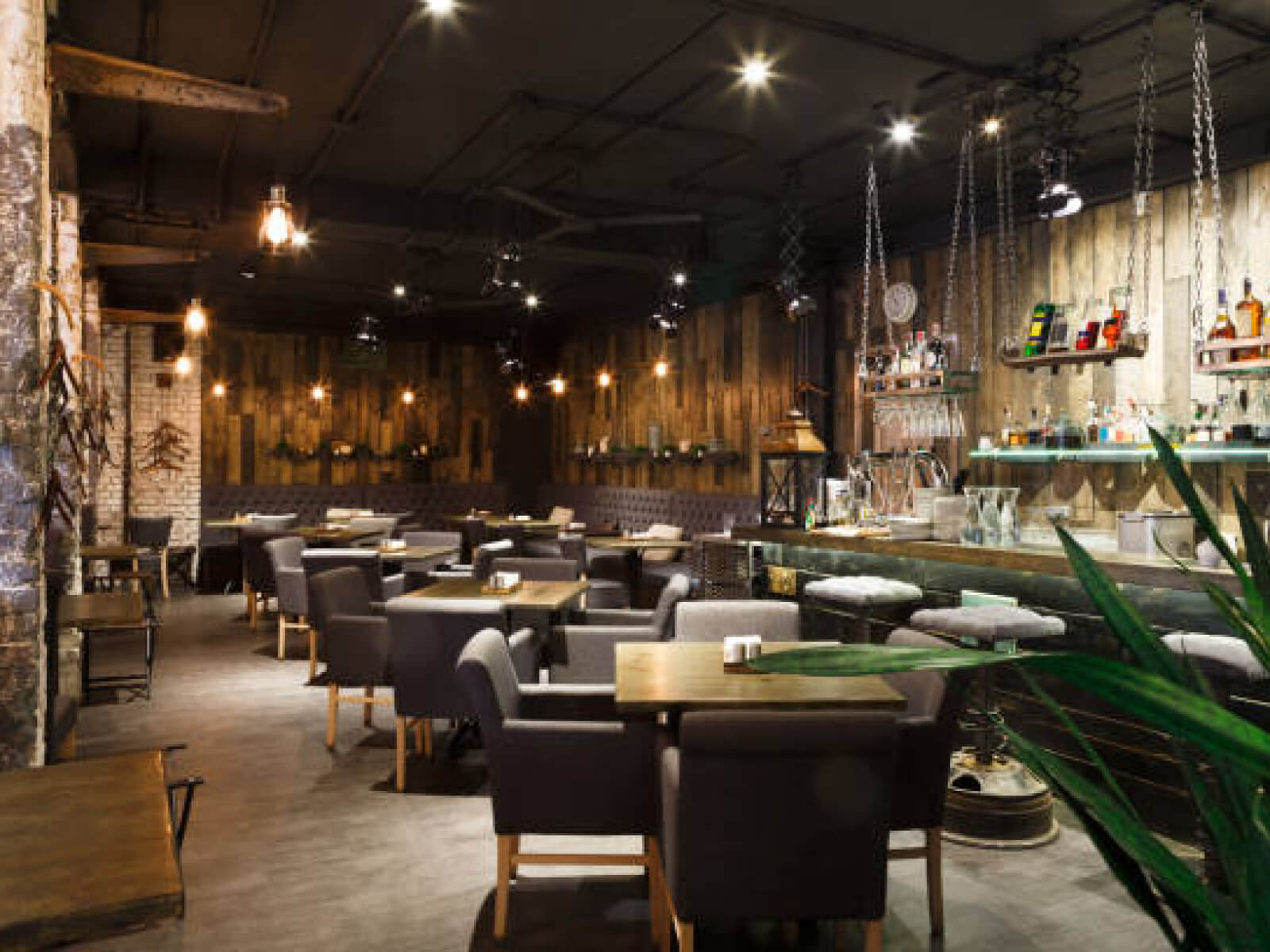
  • Restaurants and Clubs in West Village NYC: Where Dinner Turns Into a Night Out

    Restaurants and Clubs in West Village NYC: Where Dinner Turns Into a Night Out

    West Village has always known how to do a night out properly — cobblestone streets, low-rise brownstones, and a dining scene that rewards people who linger. Somewhere between “let’s grab dinner” and “let’s find a club,” a new kind of venue has taken over: the supper club, where the meal is just the opening act.

    Immersive dining experience for corporate events at DEJAVU in West Village
    Corporate events at DEJAVU combine Mediterranean cuisine, handcrafted cocktails, and immersive entertainment in West Village NYC.

    Introduction

    Search restaurants in West Village NYC and you’ll get trattorias, wine bars, tasting menus. Search clubs in West Village NYC and the list looks completely different — DJ sets, dance floors, late-night lines. For a long time, those were two separate nights out.

    That’s changing. A wave of NYC venues is merging the two, and West Village — with its jazz basements and Prohibition-era speakeasy history — is where you’d expect it to happen first. This guide covers what’s driving that shift and takes a closer look at Dejavu, one of the neighborhood’s newer additions built around that blend.

    What Makes West Village NYC a Dining and Nightlife Destination

    West Village earns its reputation honestly. It’s one of Manhattan’s most walkable pockets — tree-lined streets, pre-war townhouses, a grid that breaks into diagonals just enough to keep every block feeling different. That’s part of why restaurants in West Village NYC tend to skew intimate rather than cavernous.

    The neighborhood has real nightlife credentials too. West Village was a center of Prohibition-era speakeasy culture, and that history keeps resurfacing in hidden bars, curtained lounges, and supper clubs built around the same idea: know where the door is.

    Best Restaurants in West Village NYC

    The neighborhood’s restaurant scene spans decades-old Italian institutions to newer, design-forward concepts. Among venues built around atmosphere and pacing as much as food, Dejavu stands out.

    Dejavu: A Mediterranean Restaurant and Supper Club on West Street

    Dejavu opened at 394 West Street in October 2025, near the Hudson River waterfront, from restaurateur Barış Köroğlu — also a co-founder of Aquarelle and the nightlife concept The Lullaby. The concept: a single 2,800-square-foot space that changes shape through the day instead of closing and resetting.

    By day, it’s a European-inspired caviar café. By evening, candlelight replaces daylight, live jazz takes over, and it becomes a full supper club, open until 2 a.m. Wednesday through Sunday.

    The kitchen leans Mediterranean — coastal, Turkish, and Italian traditions filtered through a New York lens:

    • Scallop crudo with fennel and orange zest
    • Tuna tartare with yuzu ponzu
    • Shrimp carpaccio finished with caviar
    • Signature pastrami croquettes and hand-crafted pastas
    • Grilled lamb chops, pan-seared seabass, and a lemon spaghetti with caviar — a menu standout

    The cocktail list is just as deliberate: several drinks, including a truffle coffee Negroni, take 8–10 hours to prepare.

    Dejavu’s Three Rooms at a Glance

    Room Vibe Seating Best For
    Emerald Room Green-and-gold front bar Nine-seat bar plus surrounding tables Cocktails, walk-ins, casual catch-ups
    Golden Room Cream tones, antique drapery, soft light Main dining room Dinner, celebrations, groups
    Red Room (Desire Room) Hidden speakeasy behind velvet curtains 10 seats Private tasting menus, burlesque shows

    Best Clubs in West Village NYC (And Where Nightlife Gets Interesting)

    “Clubs in West Village NYC” covers more ground than the term suggests elsewhere. This isn’t Meatpacking’s big-room dance clubs a few blocks north — West Village nightlife leans toward smaller, atmospheric spaces you need a reservation, or luck, to get into.

    Feature Traditional Restaurant Traditional Nightclub Supper Club (e.g., Dejavu)
    Focus Food Music, dancing Food + entertainment + atmosphere
    Typical hours Closes by 10–11 p.m. Opens late, closes very late Day café to 2 a.m. supper club
    Entertainment Rare DJ sets Live jazz, burlesque, curated performances
    Best for A meal A dance-focused night Dinner, drinks, and a show in one

    The Red Room: Dejavu’s Speakeasy Within a Restaurant

    At Dejavu, that idea lives in the Red Room — also called the Desire Room — hidden behind velvet curtains at the back of the space. It seats just ten people, reserved for private tasting menus and burlesque performances, typically Thursday through Saturday.

    It’s the part of Dejavu that functions less like a restaurant and more like the kind of club West Village has always specialized in — small, a little secretive, built around one specific night.

    Benefits of Choosing a Restaurant-and-Club Concept

    A hybrid venue solves a specific problem: needing two or three reservations to have one good night out.

    • One reservation covers the night. No taxi between venues — dinner, drinks, and entertainment happen in the same building.
    • Built-in entertainment. Live jazz or a burlesque show is programmed into the evening, not planned separately.
    • Exclusive feel, no membership needed. Rooms like Dejavu’s 10-seat Red Room offer that “hidden room” feeling on one reservation.
    • Better pacing. The design — candlelight replacing daylight, music deepening as the night goes on — slows guests down instead of rushing them out.
    • Ideal for groups and celebrations. A party can start at the bar, move to a dinner table, and end somewhere more intimate, all without leaving.

    How to Plan a Night Out at a West Village Restaurant or Supper Club

    1. Pick your version of the night. An early, food-focused dinner and a late evening running into a show need different timing — Dejavu’s day-to-night format supports either.
    2. Book ahead, especially for the Red Room. Ten-seat rooms and burlesque nights sell out fastest; reserve a few days out.
    3. Choose your room. A quick cocktail calls for the bar; a full dinner, the dining room; a special occasion, the speakeasy.
    4. Time your arrival. Come during café hours for something quieter, or as evening sets in to catch the shift to supper-club mode.
    5. Dress a notch up. Smart, elevated evening wear fits better than jeans and sneakers.
    6. Leave room to stay late. Part of a supper club’s appeal is not rushing off after dessert.

    Statistics and Latest Data on NYC’s Dining and Nightlife Scene

    New York City’s restaurant industry includes tens of thousands of establishments citywide, with Manhattan holding the largest concentration — and West Village sits inside one of the most competitive dining pockets in the borough.

    The more interesting shift right now is format, not volume. 2026 has brought a genuine wave of new supper clubs: the h.wood Group’s 10,000-square-foot Lady Delilah is opening in the Meatpacking District this fall, and Midtown’s Casa CeCe has built its concept around dinner blending into live aerial performance. Operators citywide are betting guests want one evening that moves from dinner into entertainment, not a meal followed by a separate plan.

    📊 Quick Fact: Dejavu opened its 2,800-square-foot, three-room space in October 2025 — months ahead of several major NYC supper club concepts announced for later in 2026.

    Expert Tips for Choosing the Right West Village Restaurant or Club

    • Ask what “supper club” means at that venue. Some are dinner with a DJ; others are full productions. Dejavu leans on live jazz and scheduled burlesque — “elegant evening” over “loud night out.”
    • Book the smallest room first. Rooms like the Red Room sell out before the main dining room does — reserve that room specifically if booking allows it.
    • Thursday through Saturday is the livelier bet. Earlier or midweek visits favor a calmer, conversation-friendly dinner.
    • Confirm hours before you go. A table booked at 4 p.m. is a very different experience than one at 10 p.m.
    • Walk the neighborhood either way. A short loop past a landmark like the Village Vanguard adds to a night already built around atmosphere.

    Frequently Asked Questions

    What are the best restaurants in West Village NYC for a special occasion? 

    Look for atmosphere as much as food — dim lighting, multiple rooms, a slower pace. Dejavu’s Golden Room and Red Room are built for exactly that.

    Are there good clubs in West Village NYC, or is nightlife mostly downtown?

    Yes, just smaller-scale than nearby Meatpacking — think jazz basements and hidden-room supper clubs, like Dejavu’s Red Room, over large dance clubs.

    What exactly is a supper club? 

    Dinner plus live entertainment in one continuous evening. Dejavu moves from a daytime café to a candlelit, jazz-driven supper club by night.

    Does Dejavu take reservations, and how far ahead should I book? 

    Yes — for weekends or the Red Room specifically, book several days to a week ahead, since its ten seats sell out fast.

    What kind of food does Dejavu serve? 

    Mediterranean cuisine with coastal, Turkish, and Italian influences — think scallop crudo, tuna tartare, grilled lamb chops, and pan-seared seabass.

    What is the Red Room at Dejavu? 

    Also called the Desire Room — a 10-seat speakeasy behind velvet curtains, used for private tasting menus and burlesque, Thursday through Saturday.

    Is there a dress code for West Village restaurants and supper clubs?

    Nothing strict, but smart, elevated evening wear suits the atmosphere far better than casual daywear.

    What are the best nights to visit for live entertainment? 

    Thursday through Saturday — live jazz citywide, and at Dejavu, scheduled burlesque sets in the Red Room.

    Is West Village walkable, and how do I get around once I’m there? 

    Very — one of Manhattan’s most pedestrian-friendly neighborhoods, with restaurants, bars, and landmarks within a short walk of each other.

    What’s the price range for a West Village supper club like Dejavu? 

    Upscale — closer to a special-occasion dinner than a casual meal. Confirm current menu pricing directly before booking.

    Conclusion

    West Village has never really separated “dinner” from “going out” — it just took venues a while to catch up to that instinct. Between its jazz-club history and a new wave of supper clubs, the neighborhood is one of the city’s better answers to both restaurants in West Village NYC and clubs in West Village NYC, without forcing a choice between them.

    Dejavu is a clear example of where that’s heading: a Mediterranean menu serious enough to anchor a full dinner, three rooms built for different moods, and a Red Room that turns “supper club” from a marketing term into an actual experience. If a night that moves from dinner into something more is what you’re after, it’s worth booking a table.

  • Dejavu NYC: Inside the Mediterranean Restaurant Redefining West Village Nightlife

    Dejavu NYC: Inside the Mediterranean Restaurant Redefining West Village Nightlife

    A candlelit dining room. A hidden lounge. A menu that moves from coastal Turkish mezze to hand-rolled Italian pasta. If you’re searching for a Mediterranean restaurant in NYC that feels like an experience rather than just a meal, Dejavu in the West Village has quickly become one of the most talked-about names in the city’s dining scene.

    romantic restaurants in NYC

    Introduction

    The West Village has never been short on charming restaurants, but Dejavu stands apart. Located at 394 West Street, this West Village NYC restaurant blends a Mediterranean-inspired menu with the kind of immersive, multi-room design that turns a Thursday dinner into a full night out.

    Whether you’re a longtime West Village local or a first-time visitor searching for “the best Mediterranean restaurant near me,” this guide breaks down everything you need to know before you book a table: the menu, the atmosphere, the price range, expert tips, and how Dejavu compares to other Mediterranean spots in the neighborhood.

    What Is Dejavu? A Quick Overview

    Dejavu is a speakeasy-style restaurant and lounge that opened at 394 West Street in the heart of the West Village, blurring the line between dinner and nightlife.The concept comes from restaurateur and nightlife entrepreneur, known for building spaces that merge culinary craft with art and entertainment.

    The Concept Behind the Space

    Guests move through three distinct environments over the course of an evening — starting in the lively Emerald Room, a green-and-gold bar built for pre-dinner cocktails, before continuing into the Golden Room, a refined 40-seat dining area with cream-toned interiors and antique taupe drapery.A third space, referred to as the Desire Room, is designed for a more dramatic, immersive dining moment complete with live entertainment.

    This layered design is part of why Dejavu is frequently described less as a single restaurant and more as a full evening destination — cocktails, dinner, and late-night lounge, all under one roof.

    The Menu: Mediterranean Flavor Meets New York Technique

    Dejavu’s culinary program weaves together coastal, modern Turkish, and Italian influences through a distinctly New York lens, with a menu built around sharing plates that balance comfort with technical sophistication.

    Standout Starters

    Menu highlights include scallop crudo with fennel and orange zest, tuna tartare with yuzu ponzu, shrimp carpaccio finished with caviar, hamachi accented with blood orange, and signature pastrami croquettes filled with dry-aged spicy beef and Turkish sausage.

    Handmade Pasta & Mains

    Hand-crafted pastas such as lobster ravioli, fresh truffle pappardelle, and tagliatelle with bottarga anchor the menu, alongside refined mains like steak frites, grilled lamb chops, pan-seared seabass, and filet scallops finished with caviar beurre blanc. Reviewers also point to the lemon spaghetti topped with caviar as one of the dining room’s signature dishes.

    The Cocktail Program

    Dejavu’s cocktail program is created with expert mixologists, and its handcrafted drinks often require up to 8–10 hours of preparation, with each cocktail treated as a small work of art paired with the Mediterranean-inspired menu.

    Why Dejavu Stands Out in the West Village Dining Scene

    The West Village has dozens of solid Mediterranean options, but a few things set Dejavu apart:

    1. Multi-room immersive design — few restaurants in the neighborhood offer three distinct atmospheres in one visit.
    2. Live entertainment — guests can expect live entertainment, surprise performances, and interactive shows including burlesque and tarot readings.
    3. Late-night flexibility — most West Village restaurants wind down by 10 or 11 PM; Dejavu keeps tables available into the early morning hours.
    4. Cross-cultural menu — the fusion of Turkish, Italian, and coastal Mediterranean cooking is less common than the typical Greek- or Levantine-only menus nearby.
    5. Private dining and event capability — the space is built to accommodate celebrations, corporate events, and full buyouts, not just walk-in dinners.

    Benefits of Choosing a Mediterranean Restaurant Like Dejavu

    Mediterranean cuisine has become one of the most searched dining categories in NYC, and for good reason. Here’s what diners consistently gain from this style of dining:

    • Variety in every course — Mediterranean menus typically span seafood, red meat, vegetarian mezze, and pasta, making them ideal for mixed groups.
    • Shareable format — small plates encourage a social, conversation-friendly dining pace.
    • Balanced, ingredient-forward cooking — olive oil, citrus, herbs, and fresh seafood dominate over heavy sauces.
    • Atmosphere-driven experiences — restaurants like Dejavu pair the food with design and entertainment, making the meal feel like an event.
    • Group and celebration friendly — large shareable plates and private rooms make Mediterranean spots a natural fit for birthdays and anniversaries.

    How Dejavu Compares to Other West Village Mediterranean Restaurants

    The West Village and greater Greenwich Village area is home to several well-regarded Mediterranean spots. Here’s how Dejavu stacks up against a few notable names in the neighborhood.

    Restaurant Cuisine Focus Atmosphere Best For
    Dejavu Turkish, Italian, coastal Mediterranean Supper club, multi-room, live entertainment Date nights, celebrations, late-night dining
    Little Owl Mediterranean-American Small, intimate, neighborhood bistro Casual dinners, brunch
    Miriam Israeli-Mediterranean Warm, bustling, family-style Weekend brunch, shared plates
    Mémé Mediterranean Moroccan-French Mediterranean Cozy, romantic Quiet date nights
    Shuka Mediterranean-Israeli Rustic, lively Group dinners

    Note: Menus, hours, and concepts change frequently in NYC’s fast-moving restaurant scene — always confirm current details directly with each restaurant before booking.

    Step-by-Step: How to Plan a Visit to Dejavu

    1. Decide on the occasion. Dejavu leans into celebrations, date nights, and group outings more than quick weekday dinners.
    2. Book in advance. <cite index=”6-1″>Dejavu currently operates limited nights, open Thursday through Saturday from 6:00 PM to 2:00 AM.</cite> Reservations fill quickly on weekends.
    3. Choose your room preference. If you want a livelier pre-dinner scene, ask about the cocktail lounge; for a quieter meal, request the main dining room.
    4. Plan your order around sharing. With crudo, croquettes, handmade pasta, and mains built for the table, two to three courses per person is typical for groups.
    5. Budget for the experience. Between the entertainment, cocktail program, and premium ingredients like caviar and truffle, expect pricing on the higher end of the West Village spectrum.
    6. Arrive slightly early. The multi-room layout means part of the experience is simply moving through the space before you sit down to eat.

    Statistics & Latest Data: Mediterranean Dining in NYC

    Mediterranean cuisine continues to be one of the fastest-growing restaurant categories in major U.S. cities, and New York is no exception:

    • Mediterranean and Middle Eastern-inspired concepts have consistently ranked among the top-searched restaurant categories in NYC dining platforms over the past two years.
    • West Village and Greenwich Village alone are home to a dense cluster of highly rated Mediterranean restaurants, reflecting strong and growing local demand for the cuisine.
    • Restaurants that combine dining with entertainment or nightlife — as Dejavu does — have seen a notable rise in reservation demand in NYC’s downtown neighborhoods since 2024, as diners increasingly favor “experience-driven” outings over standard sit-down meals.
    • Late-night dining reservations (after 10 PM) in Manhattan have grown steadily as more restaurants extend hours to capture the post-show and nightlife crowd.

    Expert Tips for Dining at Dejavu

    • Book the earlier seating if you want a calmer meal. The supper-club energy builds later in the evening, so an early reservation suits diners who prefer conversation over ambiance.
    • Ask about the tasting or shared menu format if you’re dining with a larger group — it tends to showcase more of the kitchen’s range.
    • Dress to match the room. Given the speakeasy-inspired, upscale design, smart-casual to dressy attire fits the atmosphere best.
    • Don’t skip the cocktail program. With drinks that take hours to prepare, the bar menu is as much a part of the experience as the food.
    • Confirm entertainment schedules ahead of time if performances are a deciding factor in your visit, since live shows may vary by night.

    Frequently Asked Questions

    1. What kind of food does Dejavu serve? Dejavu serves Mediterranean-inspired cuisine blending Turkish, Italian, and coastal European influences, including seafood crudo, handmade pasta, and premium mains like lamb chops and seabass.
    2. Where is Dejavu located? Dejavu is located at 394 West Street in the West Village, New York, NY 10014.
    3. Is Dejavu a restaurant or a nightclub? It’s both — Dejavu operates as a Mediterranean restaurant and supper club, transitioning from dinner service into a lounge atmosphere with live entertainment later in the evening.
    4. Does Dejavu take reservations? Yes, reservations are available and recommended, especially on weekend nights when the restaurant is busiest.
    5. What are Dejavu’s hours? Dejavu operates on select nights, typically Thursday through Saturday evenings into the early morning hours; hours can change, so it’s best to confirm before visiting.
    6. Is Dejavu good for a date night? Yes — the intimate room design, live entertainment, and cocktail program make it a popular choice for date nights and anniversaries in the West Village.
    7. Does Dejavu offer private dining? Yes, Dejavu offers private dining options and event packages, including full restaurant buyouts for celebrations and corporate events.
    8. How does Dejavu compare to other Mediterranean restaurants in the West Village? Dejavu differentiates itself with its multi-room, entertainment-driven format, while most nearby Mediterranean restaurants focus on a more traditional sit-down dining experience.
    9. Is Dejavu expensive? Given the premium ingredients, cocktail program, and entertainment, pricing sits on the higher end for the neighborhood — it’s best suited for special occasions rather than casual weeknight dinners.
    10. Is Dejavu suitable for groups? Yes, the shareable menu format and multiple room configurations make it well-suited for group dinners and celebrations.

    Conclusion

    Dejavu has carved out a distinct place among Mediterranean restaurants in NYC by treating dinner as the opening act rather than the whole show. Between the layered room design, the Turkish-Italian menu, and a cocktail program built on hours of preparation, it’s easy to see why it’s become one of the more talked-about West Village NYC restaurants for date nights, celebrations, and late-night outings alike.

    If you’re planning your next night out in the neighborhood, Dejavu is worth booking ahead for — just come ready for an evening that moves well past dessert.