

Mediterranean food is everywhere in New York City. You will find it on menus across every borough, on every price point, described in every possible combination of words. Mezze platters. Grilled fish. Handmade pasta. Olive oil everything. The cuisine has become so widely interpreted that for many diners, it has started to blend into the background familiar without being memorable, present without being felt.
But here is the thing. There is a version of Mediterranean dining that most people in this city have not actually experienced yet. Not because it is hidden, but because it requires a specific kind of kitchen, one that understands the cuisine at its roots, sources ingredients the way the Mediterranean coast always has, and refuses to let convenience dilute what ends up on the plate. Once you have eaten that version, you understand what has been missing. This guide is about what that experience actually tastes like, and exactly where in New York City you can find it.
The Foundation: Why Mediterranean Food Is About the Ingredient, Not the Recipe
To understand what real Mediterranean dining tastes like, you first have to understand its philosophy. Unlike cuisines built on complex technique or rich sauces designed to transform an ingredient, Mediterranean cooking has always started from a different premise: find the best possible ingredient, then get out of its way.
A great piece of fish needs very little. The right heat, a drizzle of good olive oil, a squeeze of lemon, and a pinch of salt and it speaks entirely for itself. A properly slow-braised lamb shank, given the time it needs, produces a depth of flavor that no shortcut can replicate. Fresh herbs placed on a dish at the last moment carry a brightness that dried alternatives simply cannot match. The cuisine rewards patience, sourcing, and restraint in equal measure.
This is why the quality of ingredients is not just important in Mediterranean cooking, it is everything. A kitchen that cuts corners on sourcing cannot produce authentic Mediterranean food. It can produce something that looks similar on a plate. But the taste tells a different story immediately.
Real Mediterranean cooking rewards patience, sourcing, and restraint in equal measure. The ingredient is always the hero; the kitchen’s job is simply not to get in its way.
What It Actually Tastes Like Dish by Dish
For anyone who has not experienced authentic Mediterranean dining at its best, here is what to expect when it is done right.
Fresh seafood prepared in the Mediterranean tradition has a clean, ocean-forward flavor with none of the heaviness or fishiness that comes from inferior sourcing or poor handling. At Dejavu West Village which holds the Friend of the Sea certification for sustainably sourced seafood the fish and shellfish on the menu arrive fresh and are prepared simply enough to let that quality lead. The result is a plate that tastes light and deeply satisfying at the same time, which is the hallmark of great Mediterranean seafood.
Slow-braised meats represent the other end of the spectrum rich, layered, and built over time. The lamb dishes at Dejavu reflect this tradition directly. A slow-braised lamb shank, given the hours it requires, produces meat that falls clean from the bone with a depth of flavor that hits in waves rather than all at once. It is the kind of dish that makes you slow down, which is exactly the point.
Handmade pastas occupy a distinct space in the Mediterranean table somewhere between Italian tradition and broader coastal influence. Made in-house at Dejavu, they carry a texture and freshness that dried pasta cannot replicate, paired with sauces clean enough to let the pasta itself register. The difference is immediately apparent in the first bite, even for guests who would not normally think of themselves as pasta people.
The Cocktail as Part of the Food Experience
In authentic Mediterranean culture, the meal never begins with food. It begins with a drink, something to slow the pace, open the palate, and signal that the evening has officially started. This is not incidental. It is structural. The aperitivo tradition across the Mediterranean exists because great food deserves great preparation, and a well-made drink creates the right mental and physical state for everything that follows.
At Dejavu, the cocktail program takes this seriously in a way that very few NYC restaurants match. Developed in collaboration with world-class mixologists, the cocktail menu features handcrafted creations, some requiring 8 to 10 hours of preparation to achieve the right balance of flavors. These are not garnished spirits poured quickly at a busy bar. They are considered compositions, built with the same intention as the food they accompany.
For food lovers specifically, this matters. A cocktail crafted at this level does not compete with the meal it sets the stage for. Guests who begin an evening at Dejavu with one of the signature cocktails consistently describe the experience as one that elevated everything that followed. That is the Mediterranean philosophy applied to the glass, and it works.
A great cocktail does not compete with the meal it sets the stage for. At Dejavu, the drink in your hand before dinner is as considered as everything that follows.
Why Atmosphere Changes How Food Tastes
There is well-documented research behind something every food lover already knows intuitively: the environment in which you eat directly affects how food tastes. Noise levels, lighting, the comfort of your seat, the energy of the room around you all of these factors influence the experience of flavor in ways that are measurable, not just subjective.
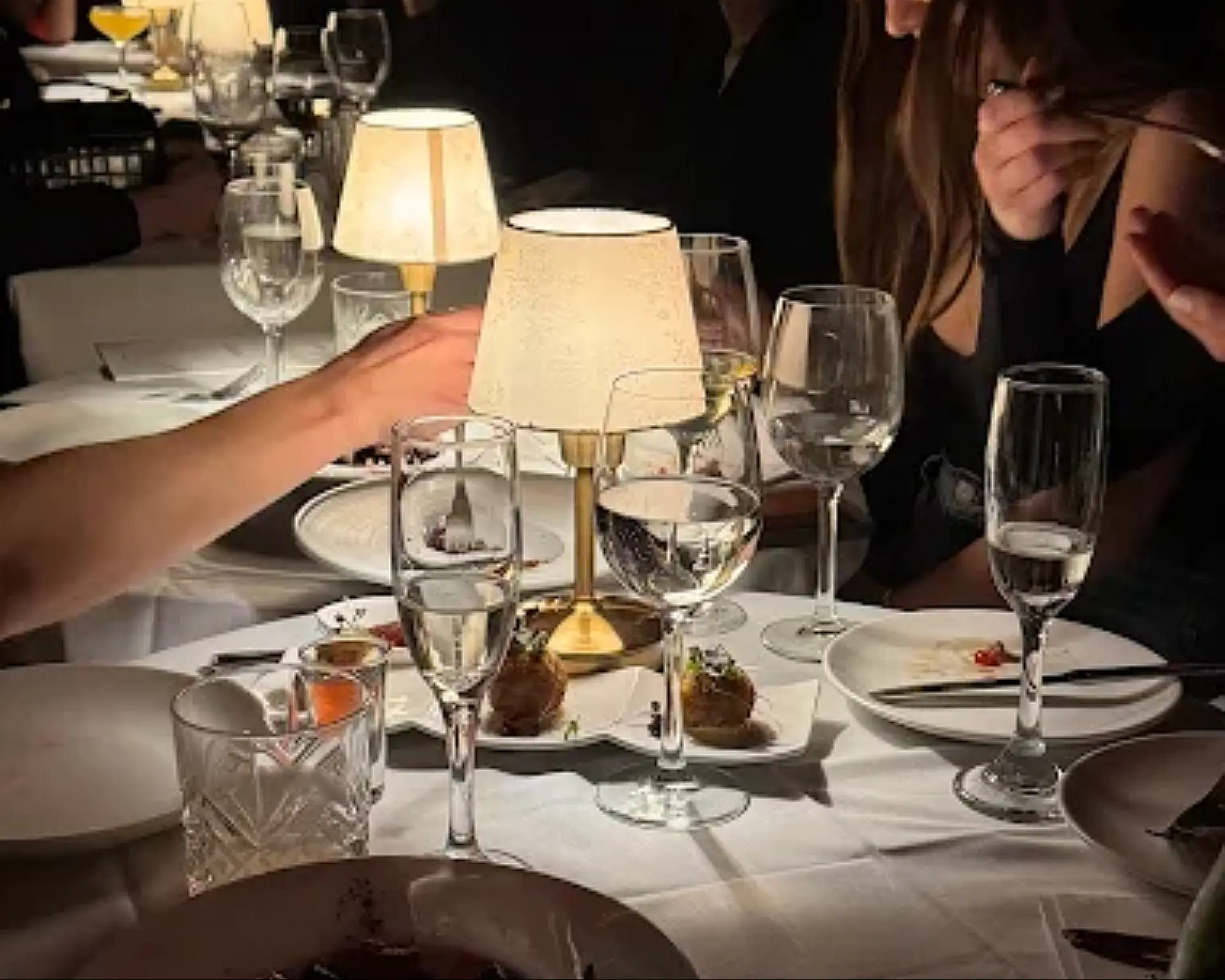
This is one of the reasons why Dejavu West Village delivers a dining experience that registers differently from most NYC restaurants, even when comparing menus on paper. The atmosphere of the space, the lighting, the intimate layout, the sense that the room was designed for exactly this kind of evening creates conditions in which the food lands more completely. Add live entertainment woven through the service, surprise performances that give the table something to share and react to together, and the cumulative effect is an evening that engages every sense simultaneously.
For genuine food lovers, this is not a distraction from the meal. It is an enhancement of it. The best dining experiences in the world have always understood that food is only one element of what makes a meal memorable. Dejavu is one of the very few restaurants in New York that delivers on all of them at once.
Where to Find It in NYC
Authentic Mediterranean dining done at this level in New York City is rarer than the number of Mediterranean restaurants on Google Maps would suggest. Most serve a version of the cuisine. Very few serve the real thing ingredient-driven, sourced with genuine care, prepared by a kitchen that understands the philosophy behind the food rather than just the mechanics of the recipes.
Dejavu West Village, at 394 West Street, is where that version exists in New York right now. For food lovers who want to understand what Mediterranean cuisine actually is not what it has become in its most diluted NYC interpretations this is the reservation to make. Come with an appetite, come ready to let the evening unfold at its own pace, and come prepared for a meal that will recalibrate your expectations of what this cuisine can be.
Reservations are available through Resy at resy.com. For private dining, group events, or occasions that deserve a dedicated space, the events team at Dejavu responds within 24 hours at dejavunyc.com/birthday-celebrations-nyc.
Frequently Asked Questions
Q: What makes Mediterranean food authentic?
Authentic Mediterranean food is built on high-quality, fresh ingredients prepared with restraint; the cuisine’s philosophy centers on letting the ingredient lead rather than masking it with heavy technique or sauce. Fresh seafood, quality cuts of meat, house-made components, and seasonal produce are the markers of a kitchen that takes the tradition seriously.
Q: What type of Mediterranean food does Dejavu West Village serve?
Dejavu serves a Mediterranean menu featuring fresh seafood (sourced to Friend of the Sea sustainability standards), premium cuts of meat including slow-braised lamb, handmade pastas prepared in-house, and signature Mediterranean dishes. The cocktail program features handcrafted creations developed with world-class mixologists, some requiring 8 to 10 hours of preparation.
Q: Is Dejavu West Village good for food lovers and foodies?
Yes. Dejavu is one of the most ingredient-driven restaurants in the West Village, with a genuine commitment to sourcing quality, in-house preparation, and a cocktail program that matches the seriousness of the food. For guests who care deeply about what is actually on the plate, it consistently delivers.
Q: How do I book a table at Dejavu West Village?
Reservations can be made through Resy at resy.com or directly through dejavunyc.com. For private dining and group events, visit dejavunyc.com/birthday-celebrations-nyc or contact the events team at info@dejavunyc.com. The team responds within 24 hours with availability and a custom proposal.
Q: Where is Dejavu West Village located?
Dejavu West Village Restaurant and Supper Club is located at 394 West Street, New York, in the West Village neighborhood of Manhattan.
Ready to Taste the Difference?
Real Mediterranean food, the kind that reminds you why this cuisine has sustained entire cultures for centuries is available in New York City. It just requires knowing where to look. Dejavu West Village is that place. Come find out what you have been missing.
Leave a Reply